


Advantages of Using Barbed Sutures in Minimally Invasive Surgery
Home » Blog » HAVE YOU BEEN FOLLOWING THE GUIDANCE DOCUMENTS? »
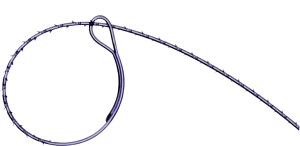
Minimally invasive surgery (MIS) has revolutionized modern medicine by reducing recovery time, minimizing scarring, and lowering the risk of complications. One of the key elements supporting these outcomes is the use of advanced wound closure systems—like barbed sutures.
So, why are PDO barbed sutures ideal for MIS?
No Need for Knots
Barbed sutures eliminate the need for knot tying, which can be challenging in confined surgical spaces. This is especially valuable in laparoscopic and endoscopic procedures where manual dexterity is limited.
• Faster Suturing Time
Because there is no need to stop and tie knots, surgeons can close wounds more quickly. This shortens overall operation time, which can decrease anesthesia exposure and reduce the risk of intraoperative complications.
• Even Tension Distribution
Barbs grip the tissue evenly along the suture path, ensuring consistent tension throughout the wound. This promotes better healing and reduces the likelihood of wound dehiscence or gapping.
• Reduced Tissue Trauma
Fewer instrument manipulations mean less trauma to surrounding tissues, helping preserve delicate structures and improve patient comfort post-surgery.
• Improved Surgical Outcomes
Studies and clinical experiences show that barbed sutures provide strong, reliable wound support, resulting in fewer complications and faster healing times.
KATSAN’s CE-certified PDO barbed sutures are designed to support the goals of minimally invasive surgery—efficiency, precision, and patient safety—making them an essential tool for surgeons seeking optimal results in delicate procedures.


Frequently Asked Questions (FAQ) About PDO Barbed Sutures
As PDO barbed sutures become increasingly popular in aesthetic, dental, and surgical fields, healthc
Best Practices for Using PDO Barbed Sutures
PDO barbed sutures are transforming surgical routines across specialties thanks to their knotless cl
Absorption Timeline and Tissue Interaction of PDO Barbed Sutures
One of the key advantages of PDO (Polydioxanone) barbed sutures lies in their predictable absorption